Maintenance
Damp, and what it actually costs
The industry's most quoted defect is also its least understood. We asked three workshops what they charge, and why.
David Ferrier
Technical contributor
18 June 2026 · 7 min read
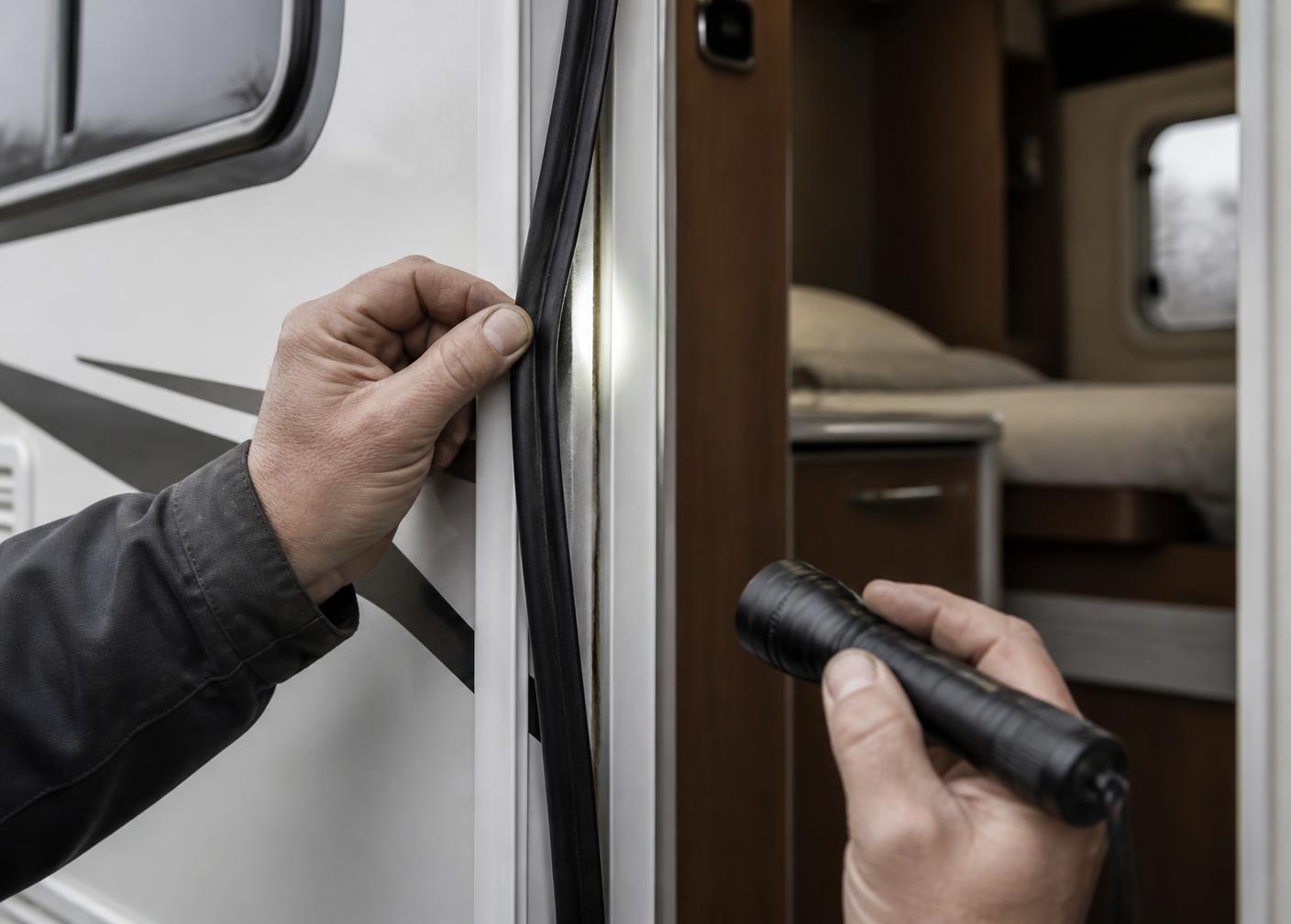
A damp reading is not a diagnosis. Meters measure conductivity in the wall structure, and readings between 15 and 20 per cent indicate elevated moisture that may be historic, seasonal or active. Above 25 per cent, the timber frame is usually compromised.
The three price bands
A localised reseal — one window, one seam, one roof fitting — runs between £250 and £600 including diagnosis. This is the common outcome for a vehicle inspected annually.
A single panel repair with frame replacement is £1,200 to £3,000, depending on whether the affected section carries structural load. Rear corners and the area beneath the habitation door are the expensive cases.
Full side repanelling starts at £4,500 and frequently exceeds the vehicle's value on anything over twelve years old. Workshops are usually direct about this, and buyers should be too.
Why annual inspection pays
Every workshop we spoke to made the same point independently: the cost difference between a fault found at year one and the same fault found at year four is roughly tenfold, and the intervening damage is entirely avoidable.
What to ask for
Insist on a printed report with meter readings by location, not a pass or fail. Readings over time are the only way to distinguish a stable historic patch from an active leak, and they are what a future buyer will want to see.
More from the Journal
What to do on handover day
Two hours at the dealership decides how the first year goes. A methodical handover finds the faults while someone else is still obliged to fix them.
Ellen Marsh · 12 August 2026

Storing a vehicle properly through winter
Four months standing still causes more damage than four months of touring. The remedies are cheap and almost entirely about moisture.
David Ferrier · 29 July 2026
The west coast in October
Three weeks touring after the season closes: fewer sites, shorter days, and the best light of the year.
Ellen Marsh · 3 July 2026