Ownership
Storing a vehicle properly through winter
Four months standing still causes more damage than four months of touring. The remedies are cheap and almost entirely about moisture.
David Ferrier
Technical contributor
29 July 2026 · 6 min read

Vehicles deteriorate when they are not used, and habitation bodies deteriorate faster than base vehicles. The mechanisms are unremarkable: standing water, trapped humidity, discharged batteries and rodents. All four are manageable with a morning's work.
Drain everything
Fresh and waste tanks, water heater, pipework and the toilet flush tank. Leave taps in the mid position and drain valves open. A litre of water left in a pipe will split it, and the repair is disproportionate to the cause.
Manage humidity, not temperature
Ventilation beats sealing. Leave roof vents on their winter setting, prop cushions on edge so air moves behind them, and lift mattresses off bases. A small dehumidifier on a timer is worth its power consumption if you have mains access.
Batteries
Lead-acid batteries sulphate below roughly 12.4V and will not fully recover. Either leave a smart charger connected or remove the battery and charge it monthly. Lithium banks prefer to be stored at around half charge and disconnected.
Tyres and movement
Inflate to the upper recommended pressure and move the vehicle a quarter turn every six weeks if you can. Where that is impossible, accept flat-spotting as a minor cost and check for sidewall cracking in spring.
Before the first trip
Sanitise the fresh water system, test the gas system for pressure drop, and run the heater for twenty minutes before you need it. The first weekend of the season is the wrong time to discover a failed pump.
More from the Journal
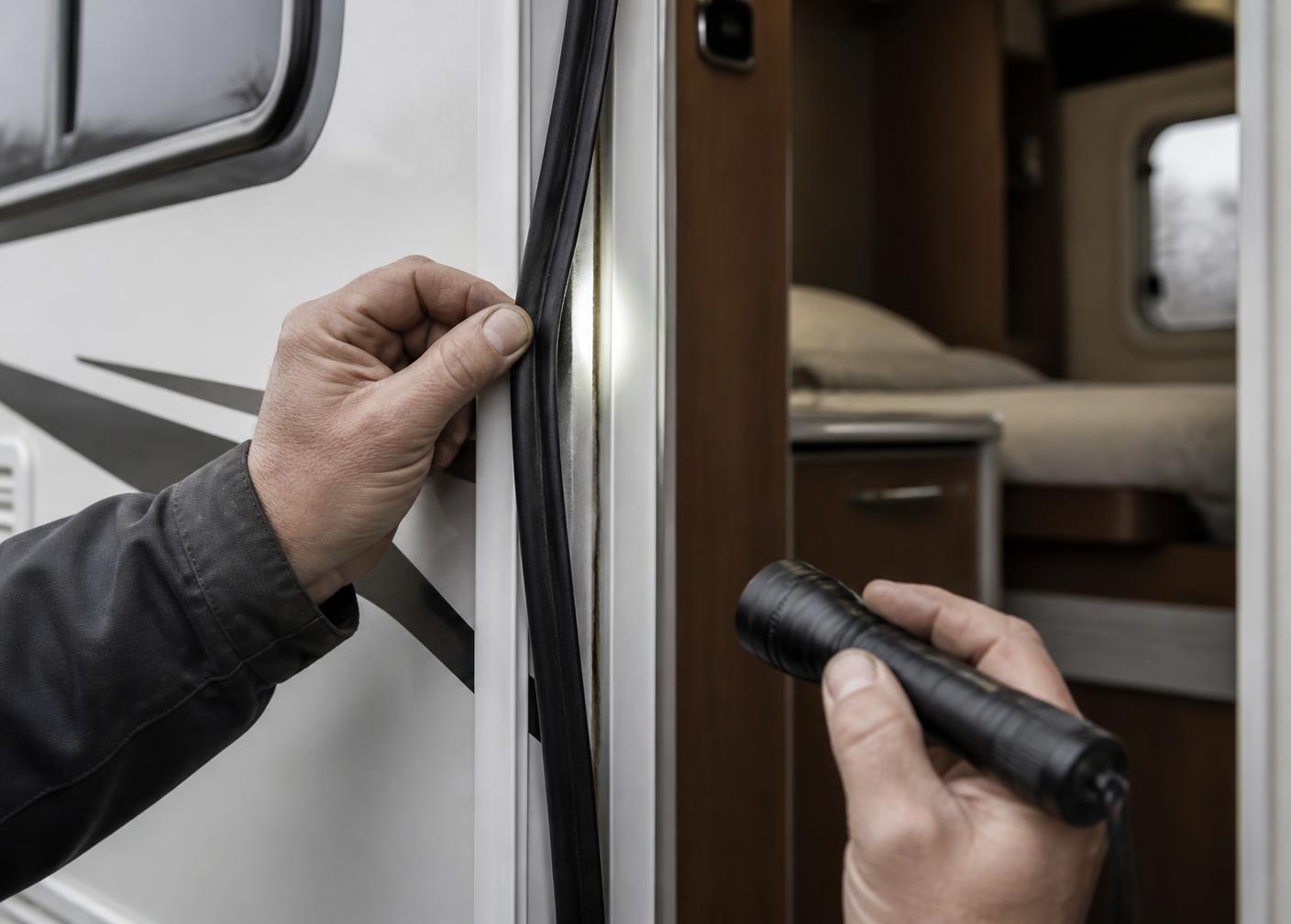
What to do on handover day
Two hours at the dealership decides how the first year goes. A methodical handover finds the faults while someone else is still obliged to fix them.
Ellen Marsh · 12 August 2026
The west coast in October
Three weeks touring after the season closes: fewer sites, shorter days, and the best light of the year.
Ellen Marsh · 3 July 2026
Damp, and what it actually costs
The industry's most quoted defect is also its least understood. We asked three workshops what they charge, and why.
David Ferrier · 18 June 2026