Gear test
Portable power stations: a winter group test
Six units, measured at 5°C over eleven nights. Rated capacity and usable capacity diverged by as much as 22 per cent.
Priya Chandra
Gear editor
2 June 2026 · 9 min read
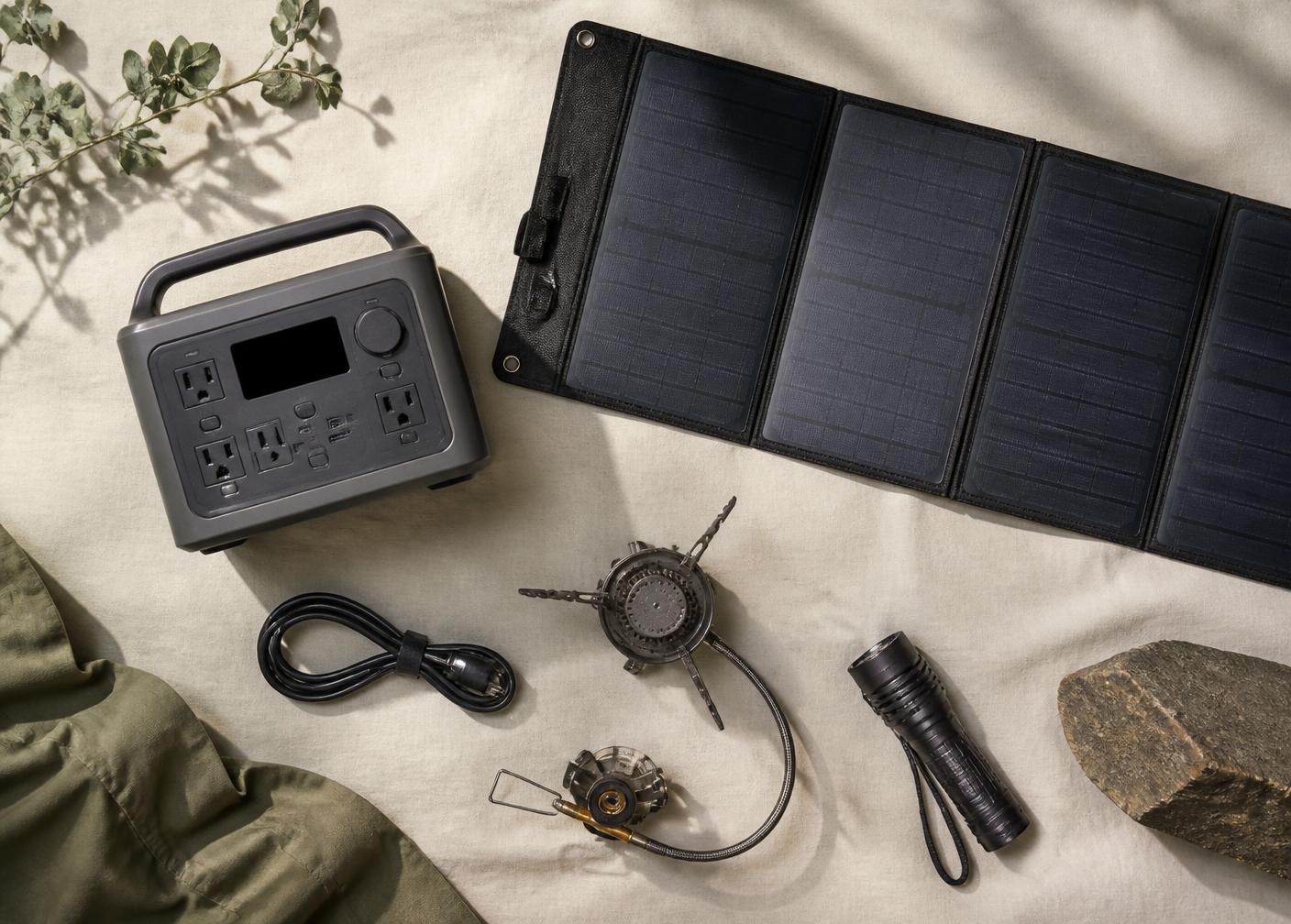
Manufacturers quote capacity at 25°C with a low, steady draw. Neither condition applies in a vehicle in February, and the gap between the label and the measurement is the substance of this test.
We ran each unit at a realistic mixed load — compressor fridge cycling, router, LED lighting, one laptop charge — at an ambient 5°C, and measured to cut-off.
Findings
Usable capacity averaged 84 per cent of rated across the group, with the best unit returning 91 per cent and the worst 78 per cent. Two units throttled output below 8°C without indicating it on the display, which we regard as a design fault rather than a limitation.
Charge acceptance from a 30A DC-to-DC source varied more than capacity. The fastest unit recovered 60 per cent in an hour of driving; the slowest managed 34 per cent.
The conclusion
For a second system, or for anyone who cannot install a fixed bank, the best of these units are genuinely useful. As a primary power source they remain poor value against a properly installed 100Ah lithium bank with a DC-to-DC charger, which costs less and performs better in every measurement we took.
The exception is renters and part-time users, for whom a portable unit that moves between vehicles is worth the premium.
More from the Journal
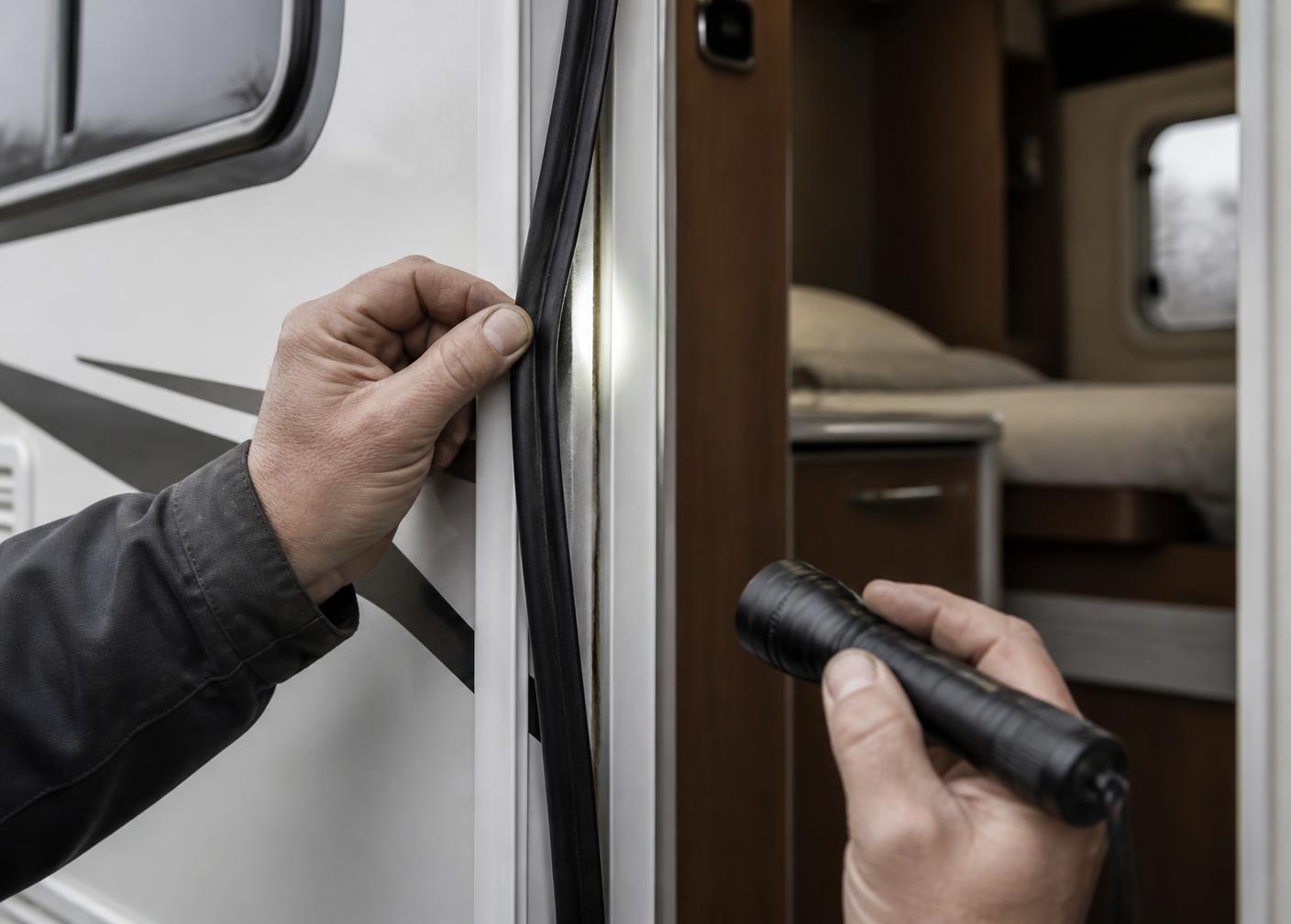
What to do on handover day
Two hours at the dealership decides how the first year goes. A methodical handover finds the faults while someone else is still obliged to fix them.
Ellen Marsh · 12 August 2026
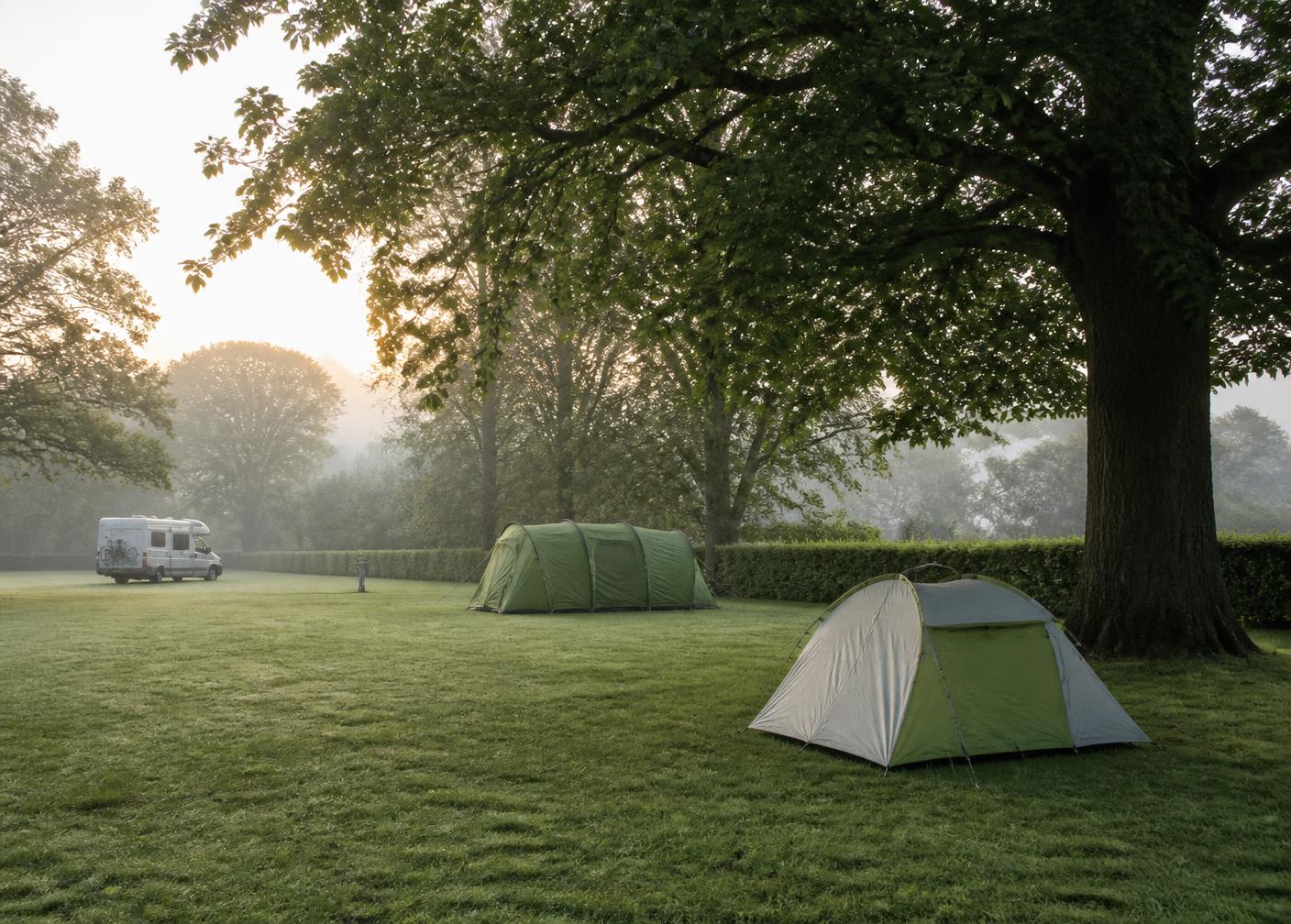
Storing a vehicle properly through winter
Four months standing still causes more damage than four months of touring. The remedies are cheap and almost entirely about moisture.
David Ferrier · 29 July 2026
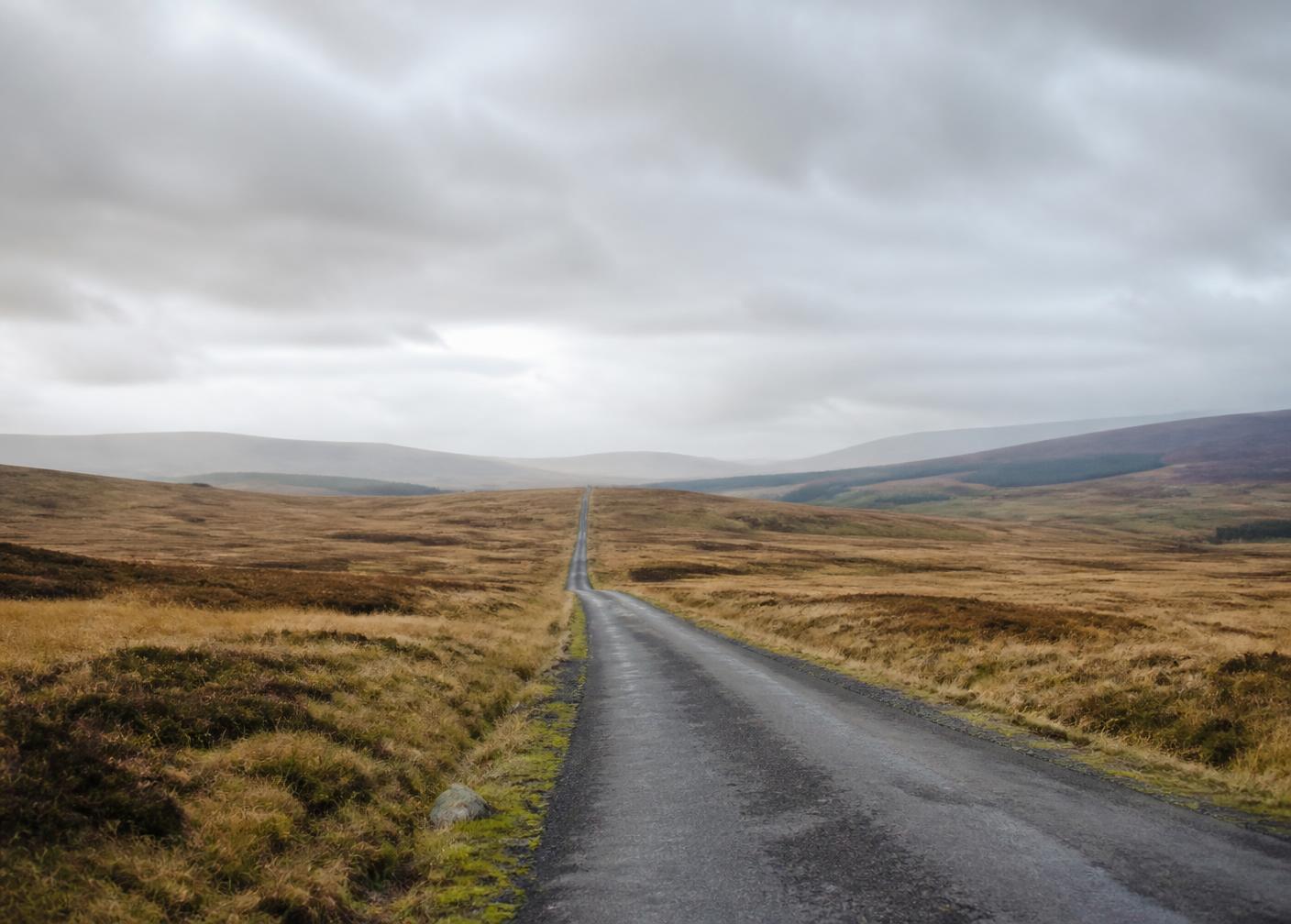
The west coast in October
Three weeks touring after the season closes: fewer sites, shorter days, and the best light of the year.
Ellen Marsh · 3 July 2026