Road culture
In defence of the lay-by
The least romantic square of tarmac in British travel is also, quietly, one of its institutions.
Priya Chandra
Gear editor
30 April 2026 · 5 min read
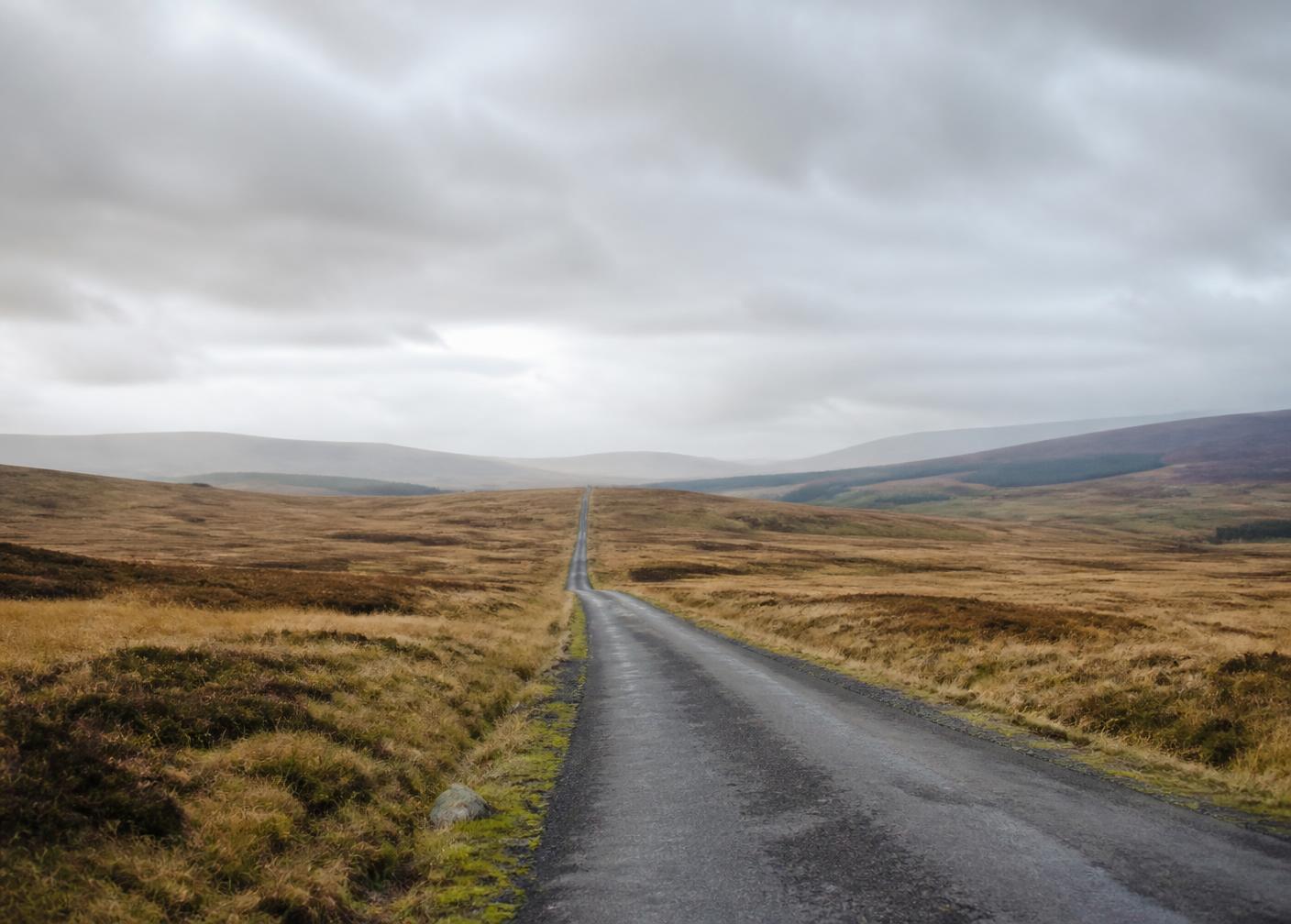
The British lay-by is a functional accident: a stretch of pre-bypass road left in place, gravelled over, and given a bin. It has no design intent and yet a recognisable culture — the tea van, the two lorries at either end, the walkers' cars, the person eating lunch and looking at the middle distance.
For anyone travelling in a vehicle with a kettle, the lay-by is where a journey becomes bearable. It is also where the rules are least clear, which is a large part of why people ask about it constantly.
The legal position, briefly
Stopping to rest in a lay-by is generally permitted unless signage says otherwise. Sleeping overnight sits in a grey area governed by local traffic orders that vary between authorities and are rarely posted. Restrictions are most common in coastal and national park areas, where they are usually well signed.
The practical rule most experienced travellers apply is simple: arrive late, leave early, take everything with you, and do not put out furniture. Where that rule is broken visibly and often, restrictions follow within a season.
Why it matters
Overnight parking provision in Britain is poor by European standards. France has more than 4,000 aires; Britain has a few hundred equivalents. Until that changes, the lay-by absorbs the difference, and the behaviour of the people using it decides how long it continues to.
More from the Journal
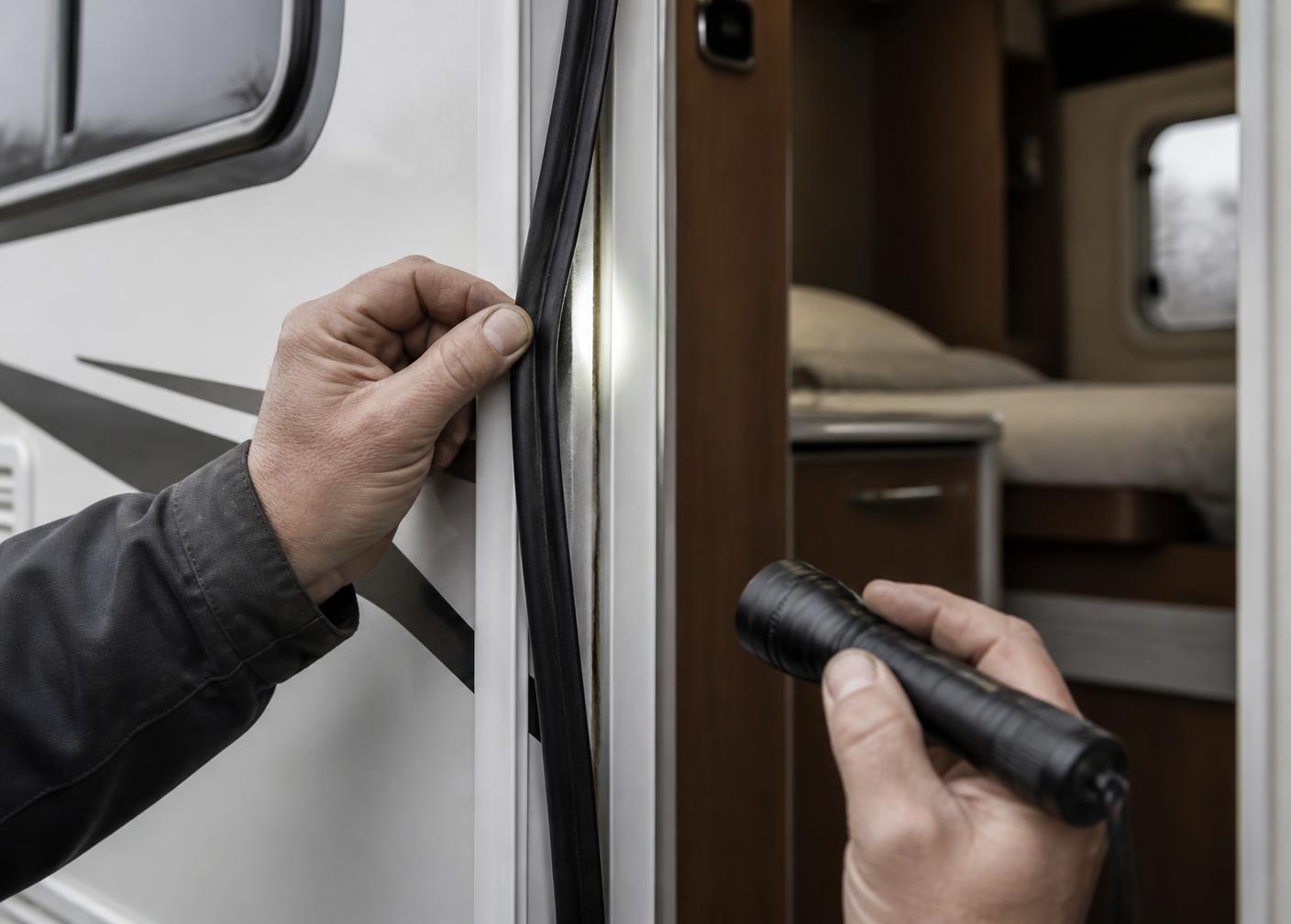
What to do on handover day
Two hours at the dealership decides how the first year goes. A methodical handover finds the faults while someone else is still obliged to fix them.
Ellen Marsh · 12 August 2026
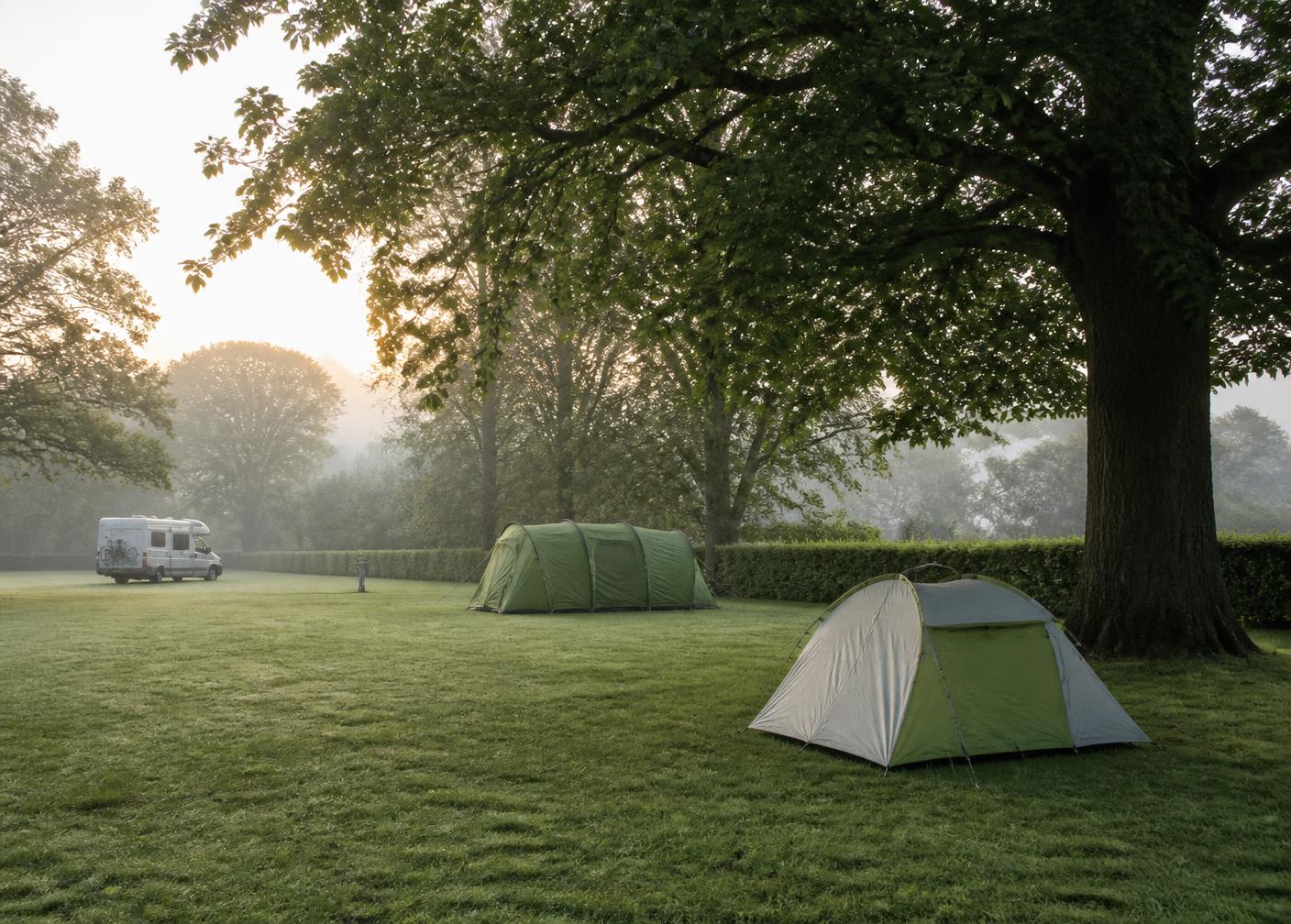
Storing a vehicle properly through winter
Four months standing still causes more damage than four months of touring. The remedies are cheap and almost entirely about moisture.
David Ferrier · 29 July 2026
The west coast in October
Three weeks touring after the season closes: fewer sites, shorter days, and the best light of the year.
Ellen Marsh · 3 July 2026