Vehicles · Used market
The used market, explained
Used buying is a documentation exercise more than a mechanical one. The habitation body, not the engine, decides whether a price is fair.
How value behaves
Leisure vehicles depreciate steeply for three years, then settle into a long, shallow decline that has more to do with condition than with age. This is unlike cars, and it is why a well-kept ten-year-old vehicle can be worth more than a neglected six-year-old one of the same model.
The practical consequence is that inspection matters more than mileage, and that a £350 independent survey is the best-value expenditure in the whole purchase.
Depreciation
What to expect by age
| Age | Typical loss | What it means |
|---|---|---|
| 0 – 3 years | 8 – 12% a year | Manufacturer warranty and water-ingress cover usually intact. Premium prices, low risk, little negotiating room. |
| 4 – 7 years | 6 – 9% a year | The value band for most buyers. Habitation history becomes the single most important document. |
| 8 – 12 years | 4 – 6% a year | Depreciation flattens. Repair costs rise. Buy on condition and paperwork rather than specification. |
| 13 years + | Condition-led | Price is set by structural condition alone. A damp fault here frequently exceeds the vehicle's value. |
Reading
Guides for used buyers
The compact coachbuilt, reconsidered
Six metres, a fixed island bed and 400kg of payload. We spent three weeks establishing whether the shortest coachbuilt in its class asks too much of its floorplan.
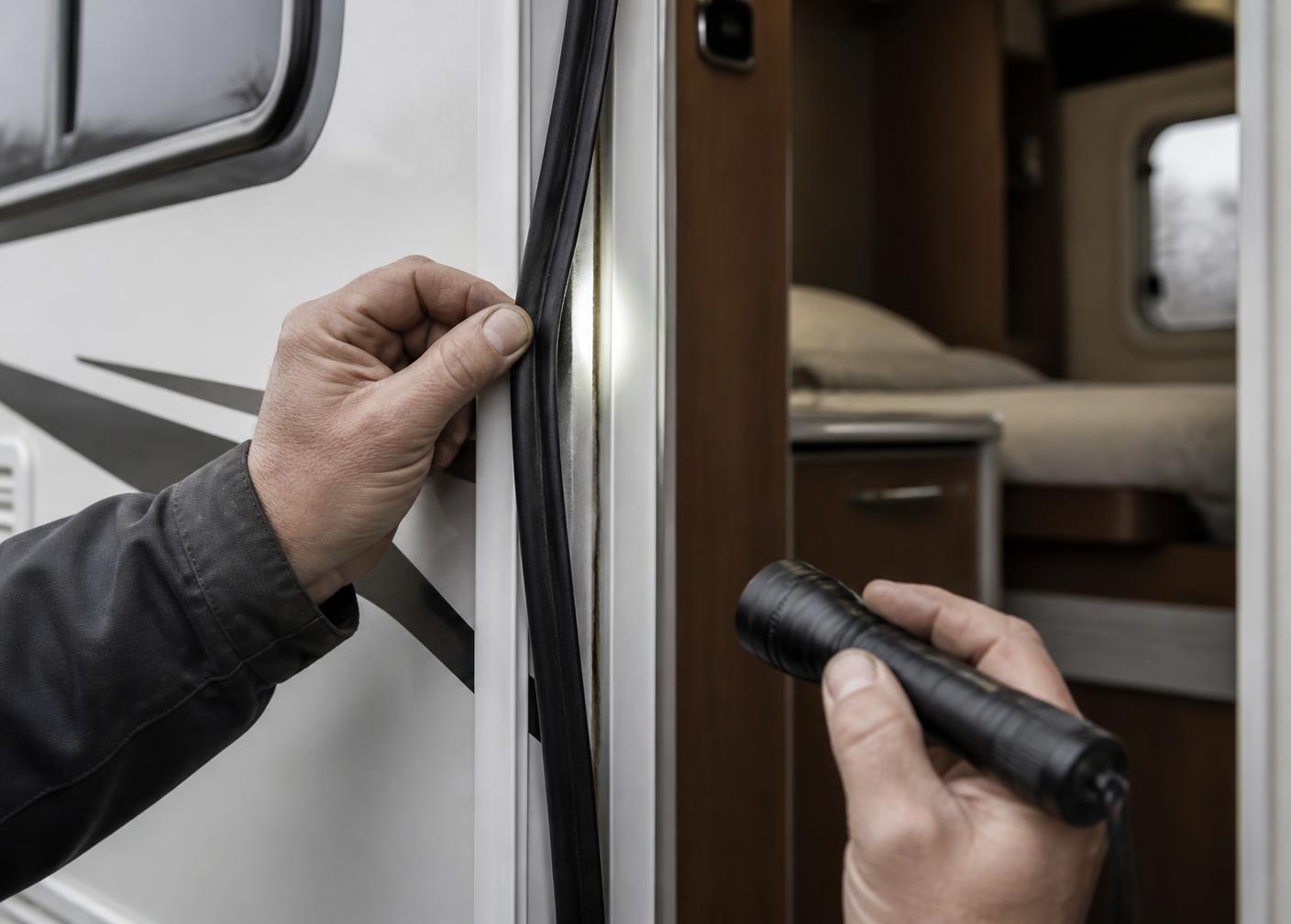
Review02Buying used: the first hour of an inspection
Most expensive mistakes in the used market are visible within sixty minutes, if you know the order to look in.
Buying guide03Campervan or caravan: an honest comparison
The two most common shortlists in British road travel rarely overlap on paper, and almost always overlap in the buyer's head.
Comparison